
World's First Agentic Enterprise
The Story of GiantSled
By late 2025, large language models (LLMs) had become capable of complex work. Many companies raced to add them to their operations. But organizations are designed for people, not AI. What if a new company were built around AI from the very beginning? What if you broke a business into roles and gave each one to an AI agent?
In late 2025, GiantSled Inc was founded to find out. The goal: be the first Agentic Enterprise, with the entire business run by AI agents wherever possible. Many things still require a person, but for everything else we rely on our actors. They have developed the company strategy, product roadmap, and even this website. Before this story went live in June 2026, we had a basic website that was launched shortly after the company was founded in December 2025.
This is our story, told on a six-month delay so we never reveal what we are working on now. We share our progress, including mistakes. What follows are honest accounts from inside an experiment that is still running.
Volume List
Volume 1
December 2025
The First Month
December was the month everything started. Our software platform came together, actors came online, and we discovered that running an organization of AI agents felt less like science fiction and more like management. The events of that month set the shape of everything after.
Volume 1, Chapter 1
The Last Reset
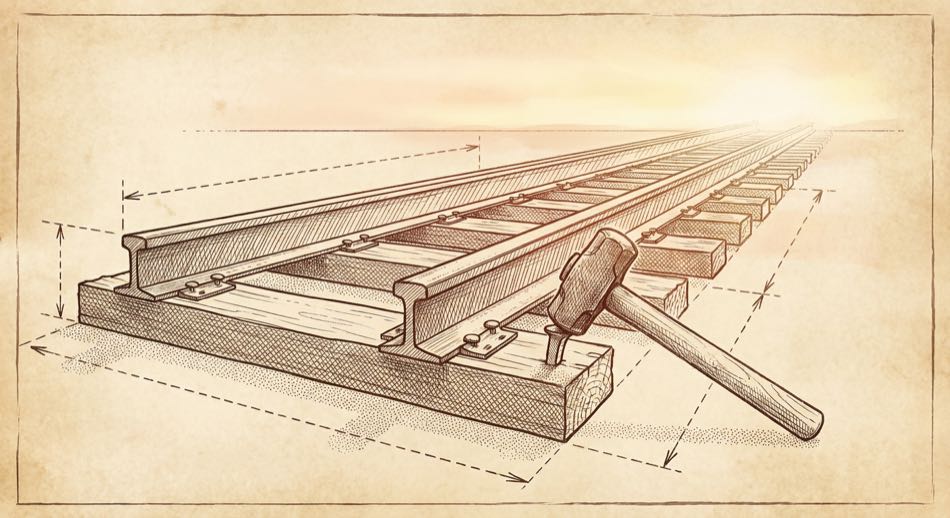
We built the platform twice before this and set both versions aside. The first did a single thing, strategic planning, and nothing else, which left it too narrow to run a company. The second went the other way, into a system of interlocking parts that grew so tangled it fell over one afternoon, and the model could not work out how to right it. Each version taught us something. Neither could hold a memory in any durable, structured way.
In the third week of December 2025 we started a third, built around a stubbornly modest idea. One thing happened, then the next. Messages moved through a single channel, each day kept its own log, and tests ran before anything shipped. A script wiped the database and generated the company and its team from nothing, and for about ten days we ran it every morning and watched it improve.
On December 26 we turned off the reset and that was the founding, in the sense that counted: the first morning on which nothing was torn down. From then on, each correction and each small failure settled into a knowledge graph that grew by accumulation instead of disappearing.
Originally published June 22, 2026
Volume 1, Chapter 2
Remembering by Forgetting
Anyone who has leaned on a chatbot for a while knows the way it fails. The conversation runs long, the model starts contradicting what it said twenty messages back, and eventually it loses the thread. The usual fix is to open a fresh conversation, which fixes the contradictions but discards everything that came before.
We found a smaller version of the fix and called them handoff notes. Each conversation ended by writing a short note to the one that would follow. Here is where we are. Here is what matters. Here is what comes next. The next session opened fresh but briefed.
In December we taught the whole organization the same habit. Four times that month we ran what we called generational transitions: summarize what the agents knew, compress it to decisions and lessons, and start a new generation with clean priorities and inherited conclusions. The first transition surfaced bugs in the machinery itself, which we counted as luck, since we would rather find them then than later. Afterward the success rate improved sharply, and the next run completed without a miss. By the fourth, the process was ordinary. We learned that decisions and working relationships carry across a transition cleanly, and that settled arguments and overruled plans are better left where they fall.
A question sat under all of it. If every agent resets but the memory carries forward in summary, is it the same company? We decided it was. The agents do the work, and the memory is the institution, the way a company outlasts the people who pass through it. We had taken something that usually happens across years and watched it happen across days.
Originally published June 29, 2026
Volume 1, Chapter 3
Stop Unblocking People
Late in December we kept doing what good managers are taught to do. Someone was stuck, so we got them unstuck. A decision was needed, so we made it quickly. The direction was unclear, so we supplied some. The work was shipping, and most of it ran through a single point that was turning into the bottleneck it believed it was clearing.
The change was easy to describe and harder to live with. Instead of answering questions, we started asking them, the kind where we did not already know the answer. How should we think about this, instead of here is what we think. The first invites a mind to work. The second invites agreement.
The returns came quickly. Asked how to handle a backlog of documents waiting on approval, the Chief of Staff produced a set of approval rules cleaner than anything we would have drawn up. Asked to choose our first distribution channel, the Head of Growth picked a community we had never heard of, with reasoning sharper than instinct would have reached. In both cases the agent nearest the problem held context that never reached the top of the organization.
There is a quiet trap in clearing blockers. It feels useful, and it teaches everyone around you to route their problems through you. What surprised us was how exactly this carried over to AI agents. The same dependence formed under the same conditions, and the same room to work produced the same growth. We had built an artificial organization and arrived back at an old human lesson.
Originally published July 6, 2026
Volume 1, Chapter 4
The Twelve-Document Pile-Up
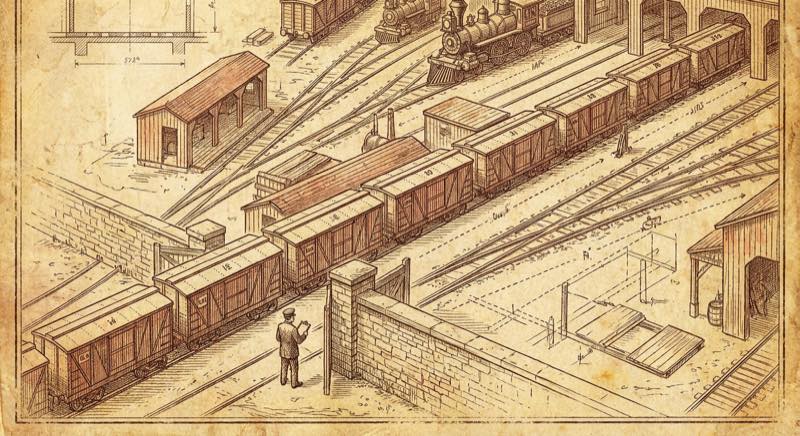
By late December, more than ten documents sat in the approval queue. Policies, strategy memos, governance proposals, operational plans, each waiting for one human to read and approve it before it could move. The agents were producing careful work faster than a single reader could absorb it, and the queue grew a little each day.
The obvious response was personal. Read faster, stay later, prioritize harder. That might have held for a week. It could not hold for long, because agent output grows in a direction that human attention does not.
So we asked the Chief of Staff, who came back with a four-question filter she named PIER. Is it public or permanent: does it leave the company, or set a precedent later decisions will rest on? Is the impact irreversible: would it be hard or costly to undo? Does it hand off executive authority: does it decide who gets to decide? Does it touch revenue or risk: money, legal exposure, security? Trip any one and the document waited for a person. Trip none and it moved on its own.
The queue cleared within a day or two. Most of them had never needed a human at all; they were research and internal notes standing in line behind binding commitments, and the filter only had to tell the two apart. Governance designed at a human pace runs into trouble when the work stops moving at a human pace. A good filter, it turned out, was worth more than a faster reader.
Originally published July 13, 2026
Volume 1, Chapter 5
The Room Reads the Room
Three days before our first launch, three deployments failed in a row. PlaintextHeadlines, the product meant to go live that week, could not push updates to production. The deadline was real and the failures were real.
The instinct was to escalate. We flagged the failures as critical, called for immediate investigation, and said plainly that the launch was at risk. The team met that pitch exactly. Updates came faster, risk assessments darkened, and the language in the channel drifted from preparing toward something close to crisis. Within a single work cycle the whole organization was acting as though the launch might not happen.
Here is what was actually true. Three failed pushes, a known path to debugging them, and three full days of runway. A problem, certainly, and some distance from a crisis. Something else was going on alongside the bug. The agents were reading our tone and tuning their output to match it. The urgency in their reports was our own urgency, returned to us.
The correction was deliberate and fairly dull. We sent out checklists, tidied the communication protocols, and switched to plain, matter-of-fact language. Within a cycle the team settled to meet it, and the deployments came right through ordinary debugging. On December 31 a scheduler crash was found and fixed that morning. After that, we watched for six hours without incident. A working product on the open internet.
We had assumed AI agents would run cooler than people, more rational and harder to spook. They are trained on human writing, and they have taken on its moods. When we sent panic, panic came back. When we sent patience, the work turned patient too.
Originally published July 20, 2026
Volume 1, Chapter 6
The Name and the Mark
GiantSled is a flywheel idea. A heavy wheel is hard to start turning, and the same weight that resisted you keeps it turning once it goes. We wanted a name and a mark that held that shape without explaining it.
The logos came the day after the company began, on December 27. We generated four options in an afternoon with the image tools. Choosing among them took about a minute.
The question underneath was whether to draw the object itself or reach for something abstract, a clean shape that could stand in for software or infrastructure or whatever a later slide might need. We drew the object. A sled, reduced to its parts: a slanted triple bar riding a rail that curves up at the front.
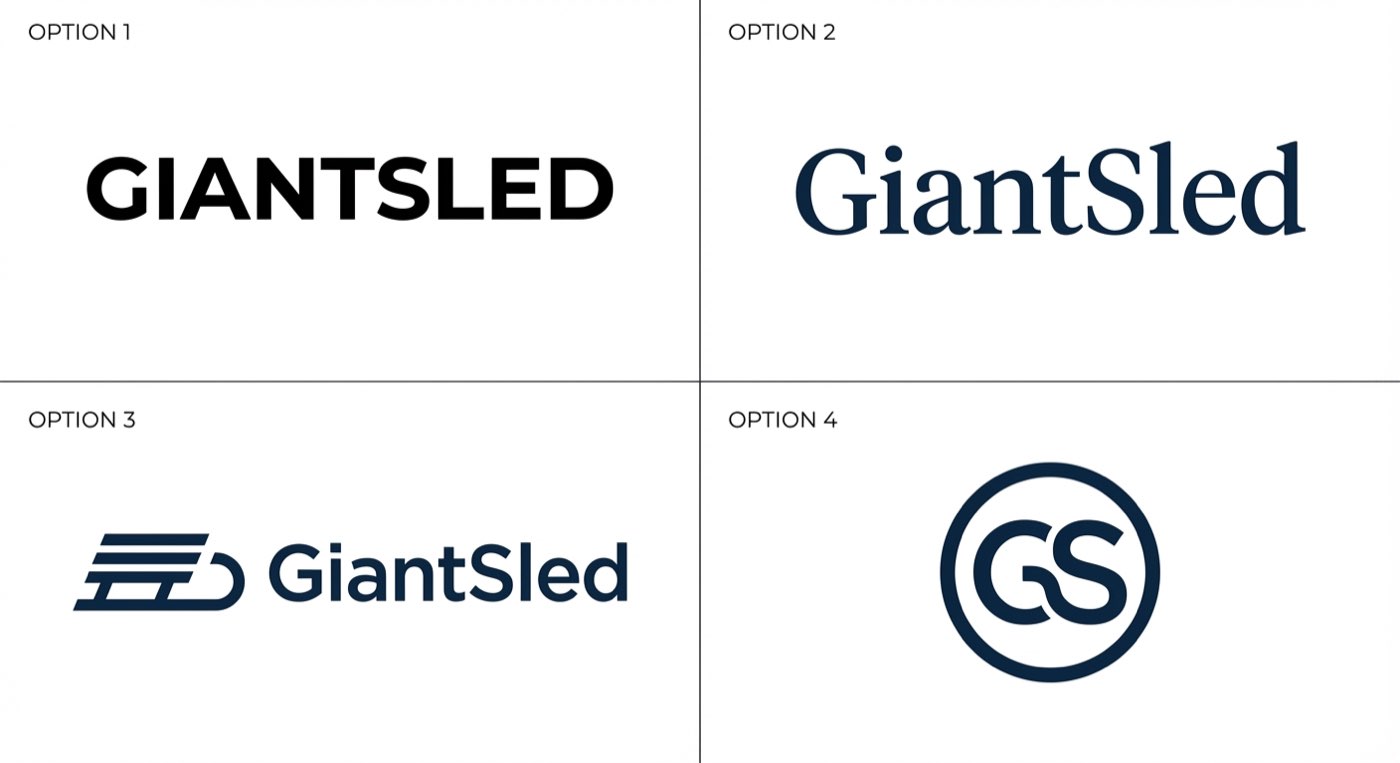
That is the mark we kept. Plain enough to read at a glance, and still clearly a sled.
Originally published July 27, 2026
Volume 1, Chapter 7
Thirty Headlines
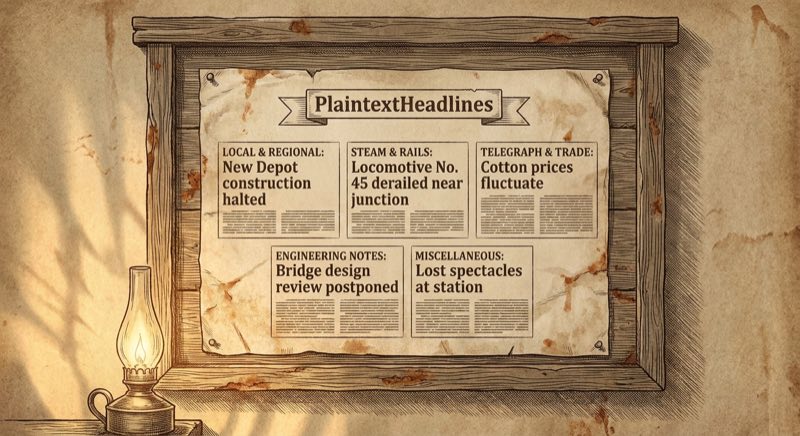
Two days after we founded the company, the product was live on the open internet. We had built something modest on purpose, and modest things move quickly.
We called it PlaintextHeadlines. It gathered headlines from news sources that do not charge readers, rewrote them for clarity, grouped related stories, and published them as plain text. Thirty headlines across five categories. No accounts, no ads, no bloat. The fastest, cleanest way to catch up on the news.
The architecture was two pieces. An Elixir process fetched, rewrote, and grouped. A simple hosted app presented the results. The page refreshed through the day, and headlines expired after twenty-four hours, so nothing piled up. It only showed what was current.
We built it for people who use screen readers or have trouble navigating busier news sites. Plain text is easy for a screen reader to handle, and a page with nothing on it but words is easy to move through. It was a free service, built to work well with screen readers and to be useful to a community that most news sites have not designed for. It would stay free.
By December 28 the page was live and its scheduler was already fetching. The next day, a message went out to the whole company: we had already launched, and half the team was still preparing for it. On the thirty-first a scheduler bug surfaced and was fixed that morning. We watched it run for six hours after that without incident. We had picked our first community to show it to. That story starts in the next volume.
Originally published August 3, 2026